
A commercial electrical project touches every part of a business. Power, lighting, and safety systems all depend on the work behind the walls. When a project goes smoothly, employees and customers never notice. When it goes badly, they notice right away. Delays, surprise costs, and failed inspections can hurt daily operations. Good planning prevents most of those problems. Here is how business owners can keep an electrical project organized, on schedule, and free of stress from start to finish.
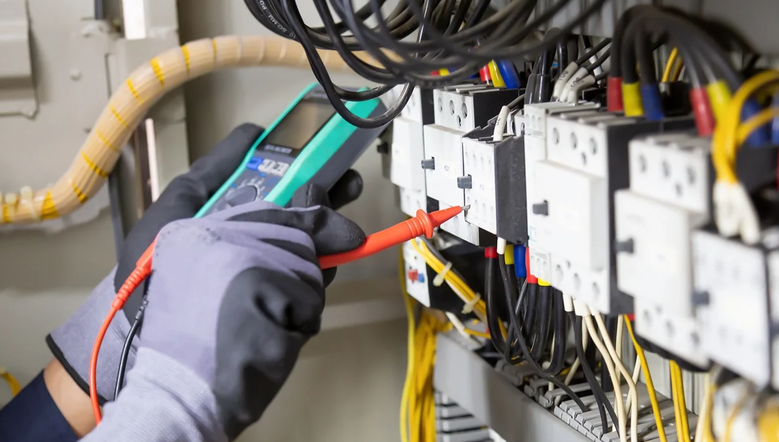
Keeping Your Project on Track
Worried that an electrical project will disrupt your business? Hiring a commercial electrical contractor Charleston SC businesses rely on makes scheduling, permits, and inspections far easier to manage. Here is how to stay in control.
Define the Scope Clearly
Every smooth project begins with a clear scope. List what needs to be installed, upgraded, or repaired. Note the areas affected and any equipment that must stay running. Share floor plans and future growth plans with your contractor. Clear details produce accurate estimates and fewer change orders. Vague requests often lead to disagreements over what was included. Put the scope in writing and review it together. Everyone should understand the goals before any crew arrives.
Handle Permits and Inspections Early
Most commercial electrical work requires permits and inspections. Delays here can stall an entire project. Experienced contractors know local requirements and submit paperwork promptly. Ask who handles applications and how inspection dates get scheduled. Build extra time into your timeline for reviews. Failed inspections cause costly rework, so quality matters from the first day. Careful attention to code prevents surprises. It also protects your insurance coverage and keeps your certificate of occupancy on schedule.
Schedule Work Around Business Hours
Electrical work can interrupt power, create noise, and limit access. Talk openly about your busiest times before setting a schedule. Many contractors work evenings, weekends, or in phases to protect daily operations. Plan outages carefully and give staff plenty of notice. Backup power can keep critical systems running during transitions. Good coordination keeps customers happy and employees productive. A flexible schedule often costs little and prevents major frustration later.
Track Budget and Change Orders
Even well-planned projects uncover surprises. Old wiring, hidden damage, or code updates can add cost. Ask for a clear process to approve changes before work begins. Written change orders show the price, reason, and schedule impact. Review them promptly so decisions do not delay progress. Set aside a small contingency for unexpected items. Regular budget updates keep everyone informed. Transparent tracking prevents unpleasant surprises when the final invoice arrives.
Finish With Testing and Documentation
A project is not complete until everything is tested and documented. Ask for panel schedules, updated drawings, and warranty details. Walk through the finished work with your contractor and confirm every item on your list. Keep copies of inspection approvals for your records. Good documentation makes future repairs faster and cheaper. It also helps new managers understand the system. Careful closeout leaves you with confidence and a dependable electrical system.
Conclusion: Keeping Your Project on Track
Successful commercial electrical projects rely on clear scope, early permits, and smart scheduling. Careful budget tracking and thorough documentation finish the job properly. Each step reduces risk and protects daily operations. Communicate openly with your contractor and ask questions whenever something feels unclear. Plan ahead, stay organized, and your project will move forward smoothly. A well-managed installation delivers safe, reliable power that supports your business for many years to come.
Recent Comments